


Cyprus
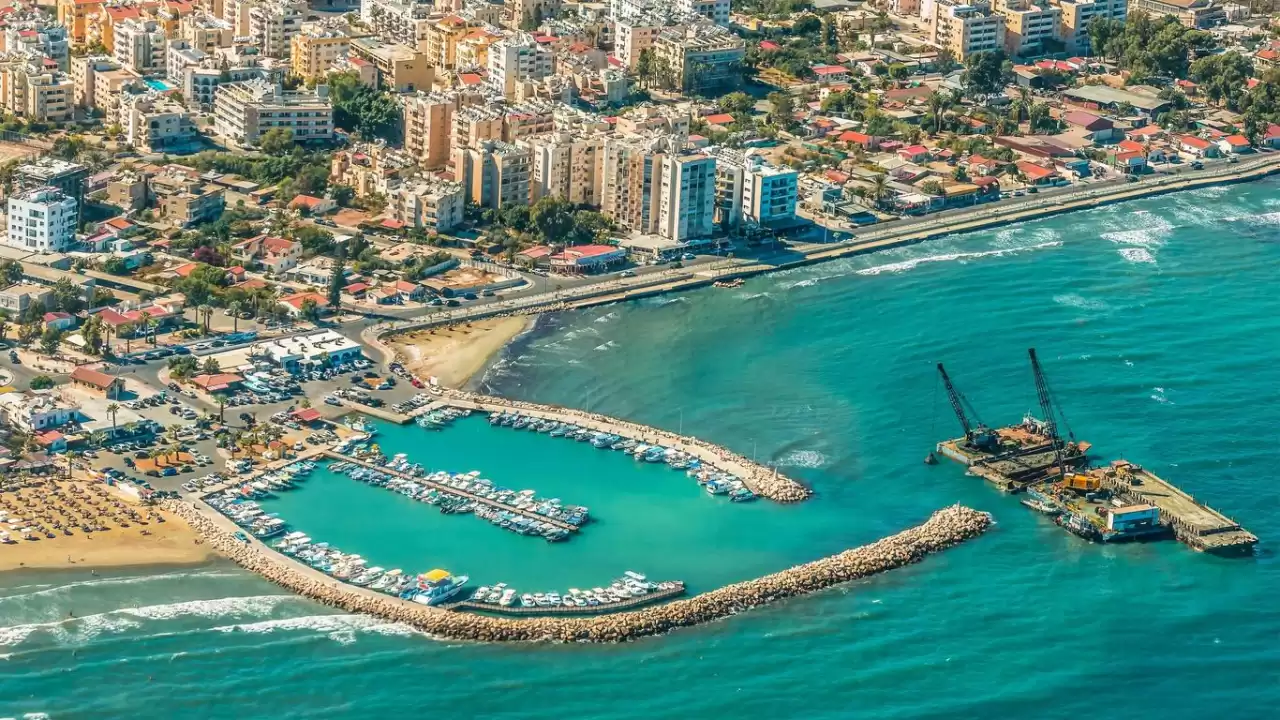
Cyprus
Discover Cyprus
Two sides, one unforgettable island.
Cyprus is a sun-drenched island where East meets West — and history, nature, and culture come together. The island is divided into North (Turkish Republic of Northern Cyprus) and South (Republic of Cyprus), each offering its own unique charm.
In the North, you’ll find untouched beaches, ancient ruins, and peaceful villages. In the South, you’ll enjoy lively resort towns, wine villages, and iconic coastal landmarks. Wherever you stay, Cyprus is the perfect mix of relaxation, exploration, and flavour.
Discover History
From Roman cities to Ottoman towns and Crusader castles.
Northern Cyprus
-
St. Hilarion Castle – Fairy-tale Crusader fortress with sweeping views
-
Salamis Ruins – Vast Greco-Roman site: theatre, baths, basilicas
-
Othello’s Tower – Venetian fortress linked to Shakespeare’s Othello
-
Bellapais Abbey – 13th-century Gothic monastery near Kyrenia
-
Apostolos Andreas Monastery – Pilgrimage site in Karpaz
-
Vouni Palace – Persian-era ruins with sea views
-
Buffavento Castle – Highest Crusader castle, accessible by hike
-
Lefke – Ottoman-style town with citrus groves
-
Kormakitis – Maronite village with ancient Christian roots
Southern Cyprus
-
Tombs of the Kings – UNESCO site with underground tombs (Paphos)
-
House of Dionysus – Roman mosaics with mythological scenes
-
Kourion – Ancient city with clifftop theatre and villas (Limassol)
-
Kolossi Castle – Crusader fortress near wine regions
-
Petra tou Romiou – Aphrodite’s legendary birthplace
-
Omodos – Historic wine village with a Byzantine monastery
-
Lefkara – Known for handmade lace and silverwork
Taste Cyprus
Mediterranean flavours from farm, sea, and stone oven.
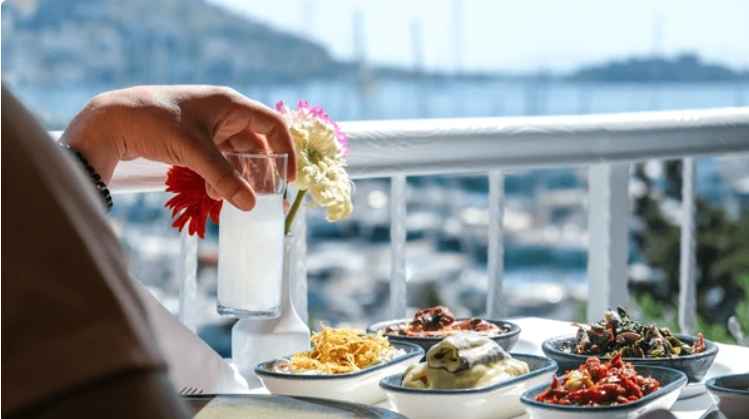
Northern Cyprus
A blend of Turkish, Mediterranean, Middle Eastern, and Cypriot traditions.
Must-try dishes:
-
Meze platters – Halloumi, olives, hummus, börek, tahini
-
Şeftali kebabı – Juicy Cypriot sausage
-
Molohiya – Leafy lamb or chicken stew
-
Kleftiko – Slow-baked lamb with potatoes
-
Pilavuna – Cheese-raisin pastry
-
Baklava & Kadayif – Sweet, nutty desserts
-
Turkish coffee – Strong, served with water and something sweet
Southern Cyprus
Influenced by Greek, Cypriot, and European cuisines, often more contemporary in style.
Must-try dishes:
-
Souvla & Sheftalia – Grilled pork skewers and sausages
-
Koupepia – Stuffed vine leaves
-
Pastitsio – Layered pasta with minced meat and béchamel
-
Loukoumades – Fried dough balls with honey
-
Local wine – Try Commandaria, the oldest named wine in the world
Beaches & Nature
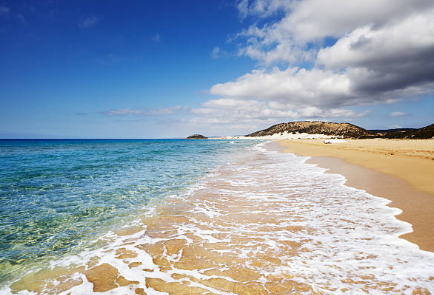
Northern Cyprus
-
Golden Beach – Remote, wild, and stunning (Karpaz)
-
Escape Beach – Calm waters and family-friendly
-
Alagadi Turtle Beach – Sea turtle nesting site
-
Kervansaray Beach – Small, sandy, near Kyrenia
-
Five Finger Mountains – Scenic hikes and castle views
Southern Cyprus
-
Nissi Beach – White sand and turquoise water (Ayia Napa)
-
Fig Tree Bay – Safe, clear waters (Protaras)
-
Governor’s Beach – White rocks, peaceful swimming
-
Blue Lagoon – Great snorkelling spot (Akamas)
-
Troodos Mountains – Hiking, waterfalls, forest trails
Villages & Culture
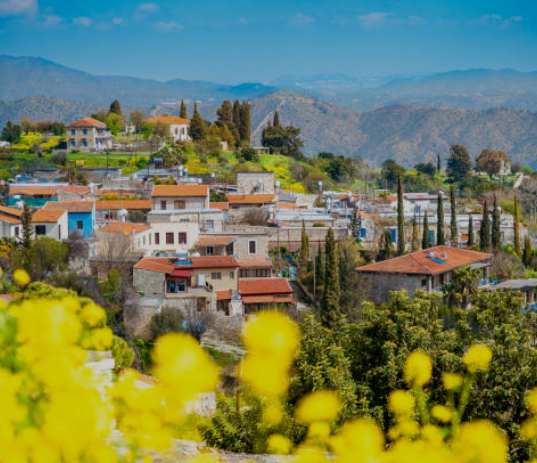
Northern Cyprus
-
Bellapais – Stone houses, music, monastery
-
Dipkarpaz – Greek-Turkish mix, laid-back pace
-
Lefke – Citrus town with Ottoman buildings
-
Kormakitis – Christian Maronite heritage
-
İskele – Folk festivals, traditional life
Southern Cyprus
-
Omodos – Wine, monasteries, cobbled streets
-
Lefkara – Lace and silver artisans
-
Kakopetria & Platres – Cool mountain villages
-
Fikardou – Museum-like traditional homes
When to Visit
Cyprus enjoys a Mediterranean climate, making it a great destination almost all year round. The most popular time to visit is from May to October, when the island sees long, sunny days and warm sea temperatures — ideal for beach holidays, swimming, and al fresco dining.
May to mid-July offers the best balance of good weather and smaller crowds. The landscape is still green from spring, and it's a perfect time for both sightseeing and relaxation.
July and August are the hottest months, especially inland. These are ideal for beach lovers but can be intense for hiking or touring historical sites during the day. Resort towns are at their liveliest, so early booking is recommended.
September and October are excellent for a late summer break — the sea remains warm, the weather is pleasant, and the crowds begin to thin out.
From November to March, Cyprus is quieter and cooler. While it’s not beach season, it’s a great time to explore the island’s villages, historic sites, and mountains without the heat or peak-season prices. Many restaurants and attractions remain open, especially in the main towns.
Travel Tips
-
Currency
-
North: Turkish Lira (₺)
-
South: Euro (€)
-
-
Language
-
North: Turkish
-
South: Greek
-
English is widely spoken across both regions
-
-
Driving
-
Left-hand side across the island
-
Separate insurance is required if crossing the border by car
-
-
Border Crossing
-
Passport required, visa required for certain passports
-
Main crossings: Ledra Street (Nicosia), Ayios Dometios (car)
-
-
Electricity
-
UK 3-pin plugs used across the island
-
-
SIM cards
-
Purchase separately for North and South or rely on WiFi
-
-
Cultural Note
-
Dress modestly when visiting religious sites or rural villages
-
Why Book With Right Holidays?
We've been Cyprus experts since 2005, helping travellers explore both North and South with confidence and ease.
-
Trusted hotel partnerships in Kyrenia, Famagusta, Ayia Napa, and more
-
Custom packages for families, couples, and groups
-
Great flight connections and flexible transfers
-
Personal support before, during, and after your holiday
Cyprus is in high demand — especially the quieter gems in the North. Contact us early to secure your preferred dates and best offers.
Fun Facts About Cyprus
-
The world’s oldest known pet cat was buried in Cyprus over 9,500 years ago
-
Aphrodite, goddess of love, is said to have been born at Petra tou Romiou, near Paphos
-
Leonardo da Vinci visited Lefkara and purchased lace used in his painting The Last Supper
-
Cyprus’s northern castles — St. Hilarion, Buffavento, and Kantara — were built to spy on one another
-
Despite its division, Cyprus remains peaceful and safe for visitors crossing between North and South